"Physical preparation is not separate from technique.
it underpins it."
physical preparation
Athletic training
I approach health and physical preparation from the conviction that scientific evidence and embodied experience are most powerful when they inform each other.
Performing artists train constantly, but rarely like athletes.
Circus, in particular, has no off-season — no structured break for the kind of general physical preparation that competitive sport builds in as standard.
My work addresses that gap directly, bringing evidence-based strength and conditioning into performing arts training: progressive overload applied specifically to circus and dance disciplines, interval work to build VO2max, HIIT and Tabata-style conditioning, and lower- and upper-body plyometrics — the kind of training that builds the general athletic base a specific skill can then be built on top of.
I focus on load management as the single biggest lever for injury prevention, on prehab that targets the areas performers are quietly undertraining in their everyday practice, and on building tissue capacity, not just technique, so a body can handle what a discipline actually demands of it — grip strength, force transfer through the whole kinetic chain, and the specific, repeated loading that vertical apparatus and handstand work require.
The goal is always the same: training that makes a long career possible, not just the next trick.
Strength Training is Flexibility Training
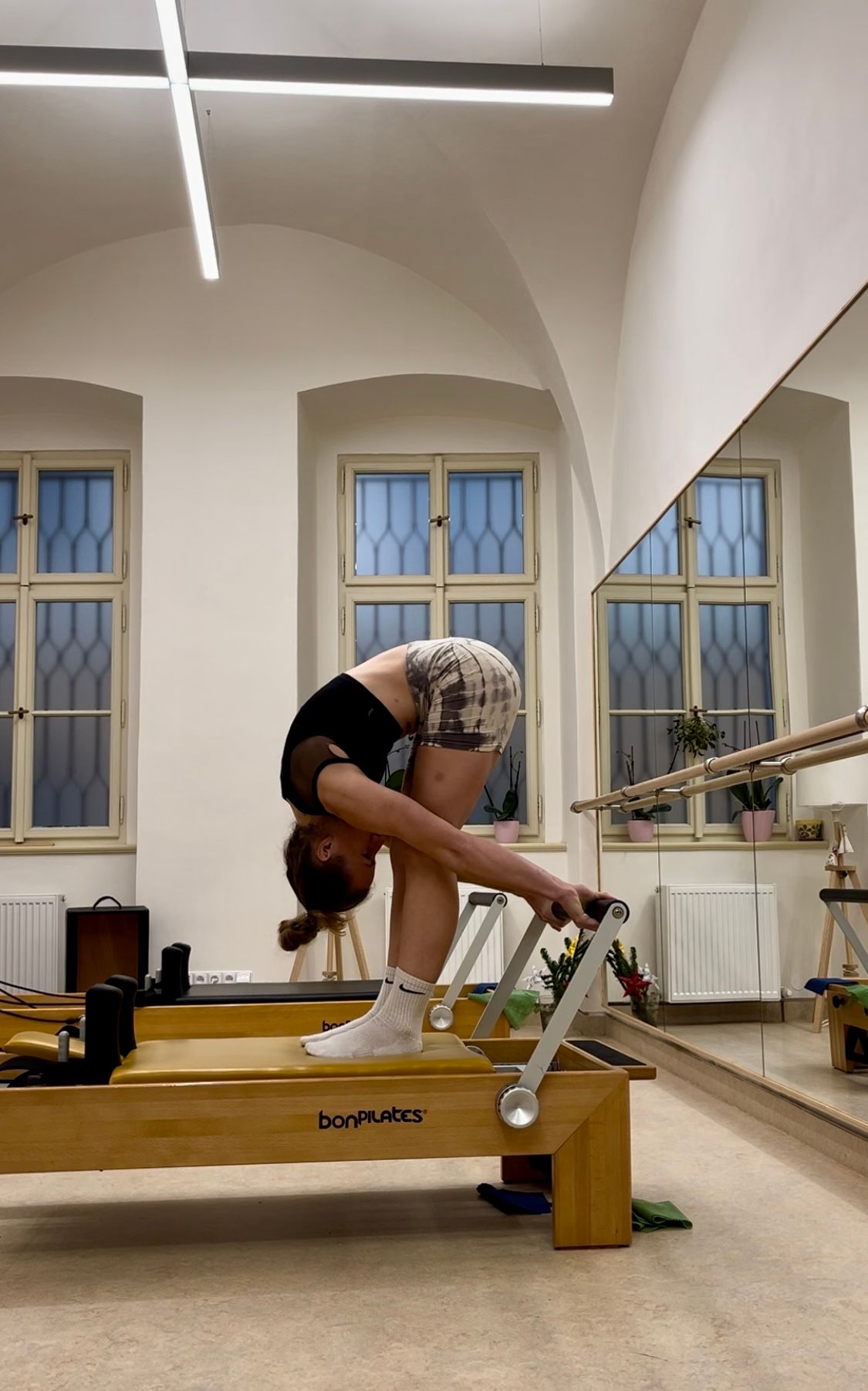
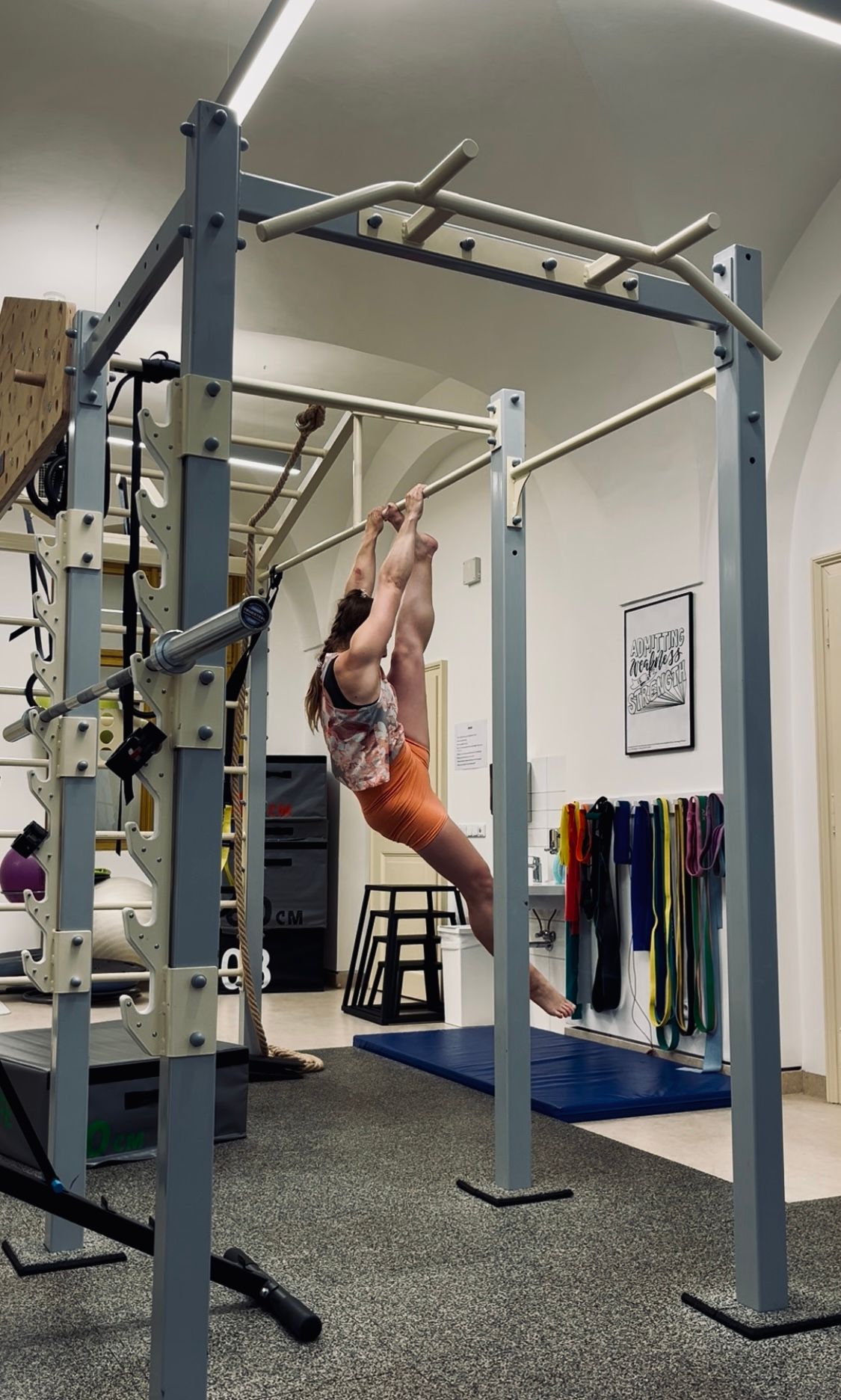
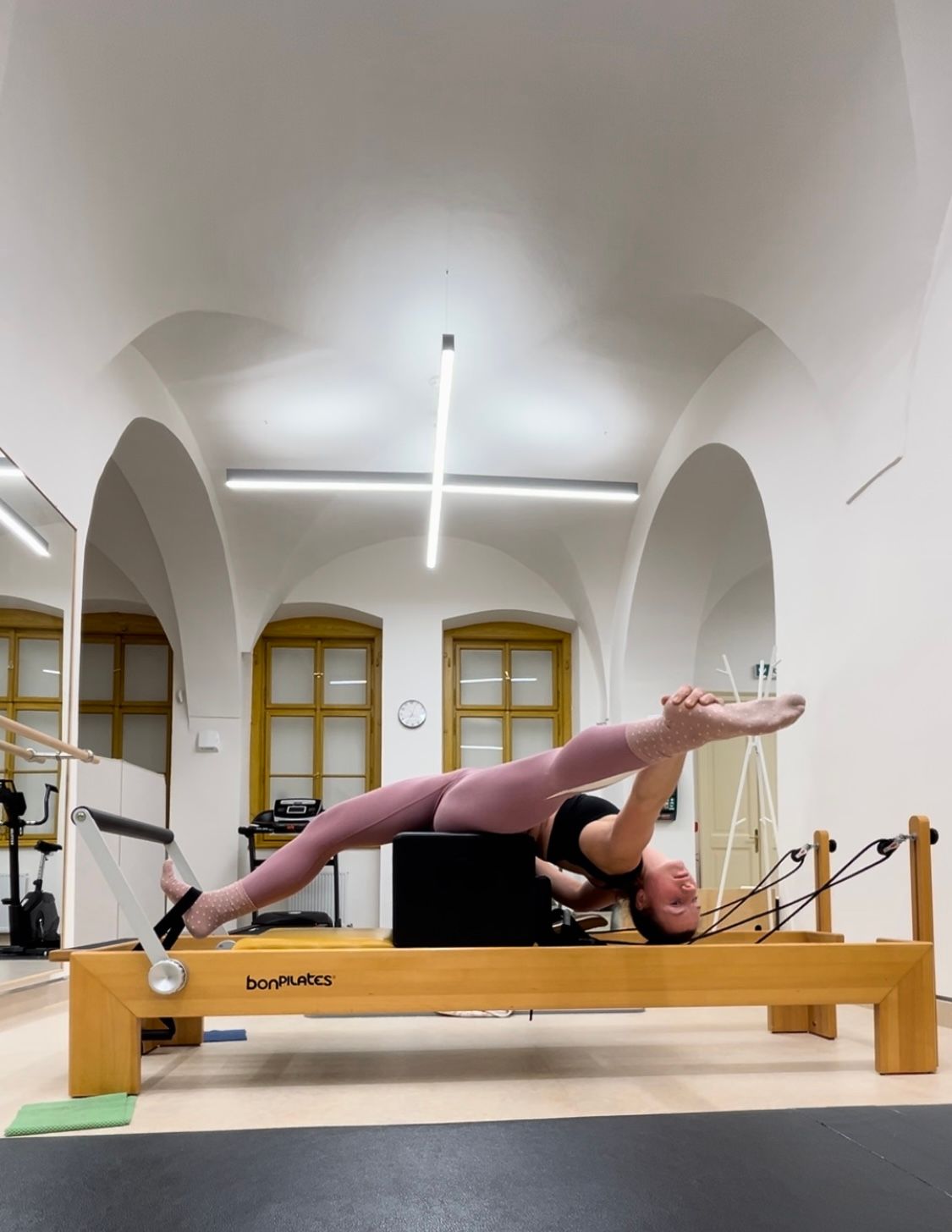
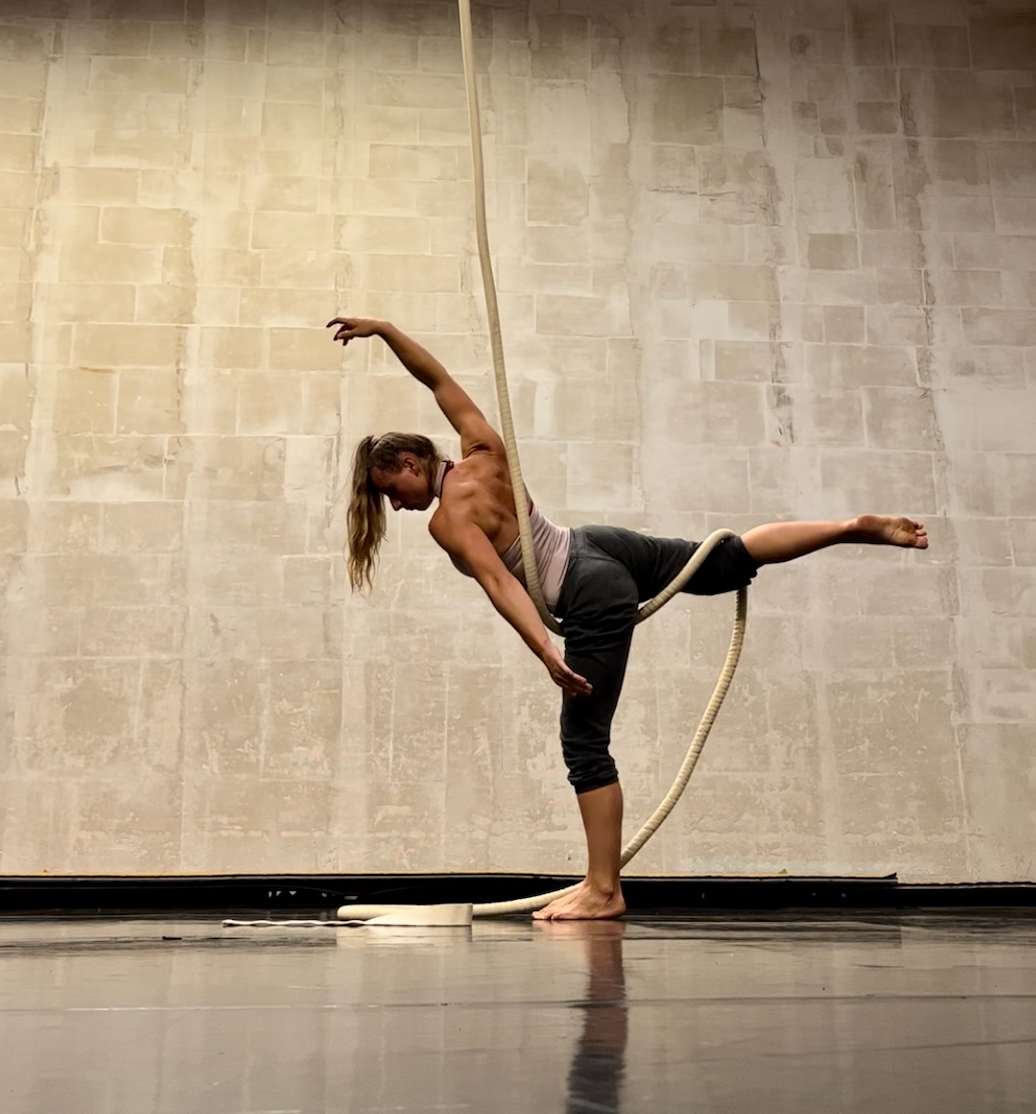
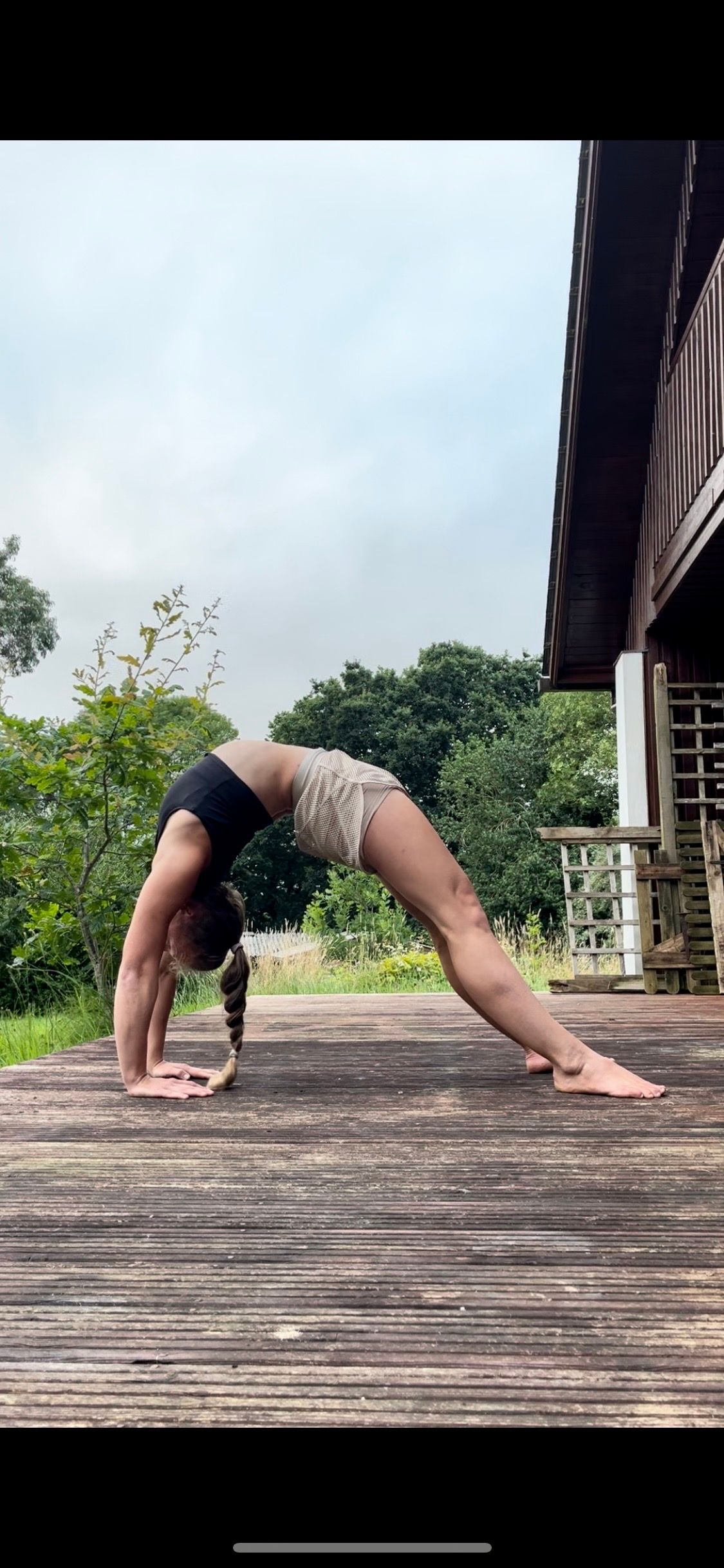
Circus flexibility is not one thing- each discipline needs different things and we need to be able to separate that clearly.
But the goal? It is to increase accessible ROM. For which we simply need sufficient strength. These goes hand in hand.
Passive flexibility is really just a small parf of flexibility- the whole picture is so much richer! Circus disciplines varies significantly and so does the flexibility requirement- shape quality, timing, control, how well you are able to perform it, to sustain it, what if we add acceleration, power absorbtion? Thats also why the flexibility needs can be completely different lets say for teeterboarder versus contorsionist.
Optimal Tissue Loading
Tissue doesn't get stronger from rest — it gets stronger from the right amount of load, applied consistently over time. Optimal tissue loading is the practice of training strength, explosiveness and force transfer in a way that matches what an artist's body can actually handle at any given moment — not just what a skill or apparatus demands. This means understanding the difference between external capacity (what the apparatus, gravity or partner asks of the body) and internal capacity (what the tissue, joints and nervous system are currently able to tolerate and adapt to). When these two are mismatched — when demand consistently outpaces capacity — that's where overuse injuries begin. When they're matched and progressed intentionally, that's where real, lasting strength is built.
Working with optimal tissue loading means training smarter, not just harder: building resilient tissue that can handle the specific, repetitive and often extreme demands of circus and performance training, while reducing injury risk and extending an artist's career.