Performing Arts Physiotherapy
Let's talk about things you need related to training load management, injury and recovery, longevity and sustainability of your circus practice.
Let's talk about injuries and how to cope with them- in the end they are part of the game.
What It Is
Performing arts physiotherapy is a specialized branch of sports physiotherapy that treats performers — circus artists, dancers, and other performing artists-athletes — as the artistic athletes they are, combining evidence-based clinical care with a real understanding of the physical and artistic demands of the craft. My work centers on reducing injury risk, guiding safe and confident return-to-sport (RTS) after injury, and following current, up-to-date international guidelines and research from sports medicine and performing arts science rather than generic advice.
In circus, the soft-tissue injuries I see most often are overuse-related rather than acute — shoulder and upper-body injuries (rotator cuff, labrum, biceps tendon) from aerial and apparatus work, along with wrist, elbow and finger overload from grip-dependent disciplines. In dance, the picture shifts toward the lower body — ankle sprains, Achilles and patellar tendinopathies, hip impingement and lower back pain — often linked to repetitive load, insufficient recovery, or technique under fatigue.
Onsite, I offer hands-on assessment and treatment, individualized rehabilitation and return-to-training plans, movement and technique screening, and injury-prevention guidance built around an artist's specific apparatus or discipline.
Online, I offer remote consultations, exercise and rehab programming, video movement analysis, and ongoing check-ins for artists who don't have access to performing-arts-specific physiotherapy where they train — a common gap in this field.
My Journey
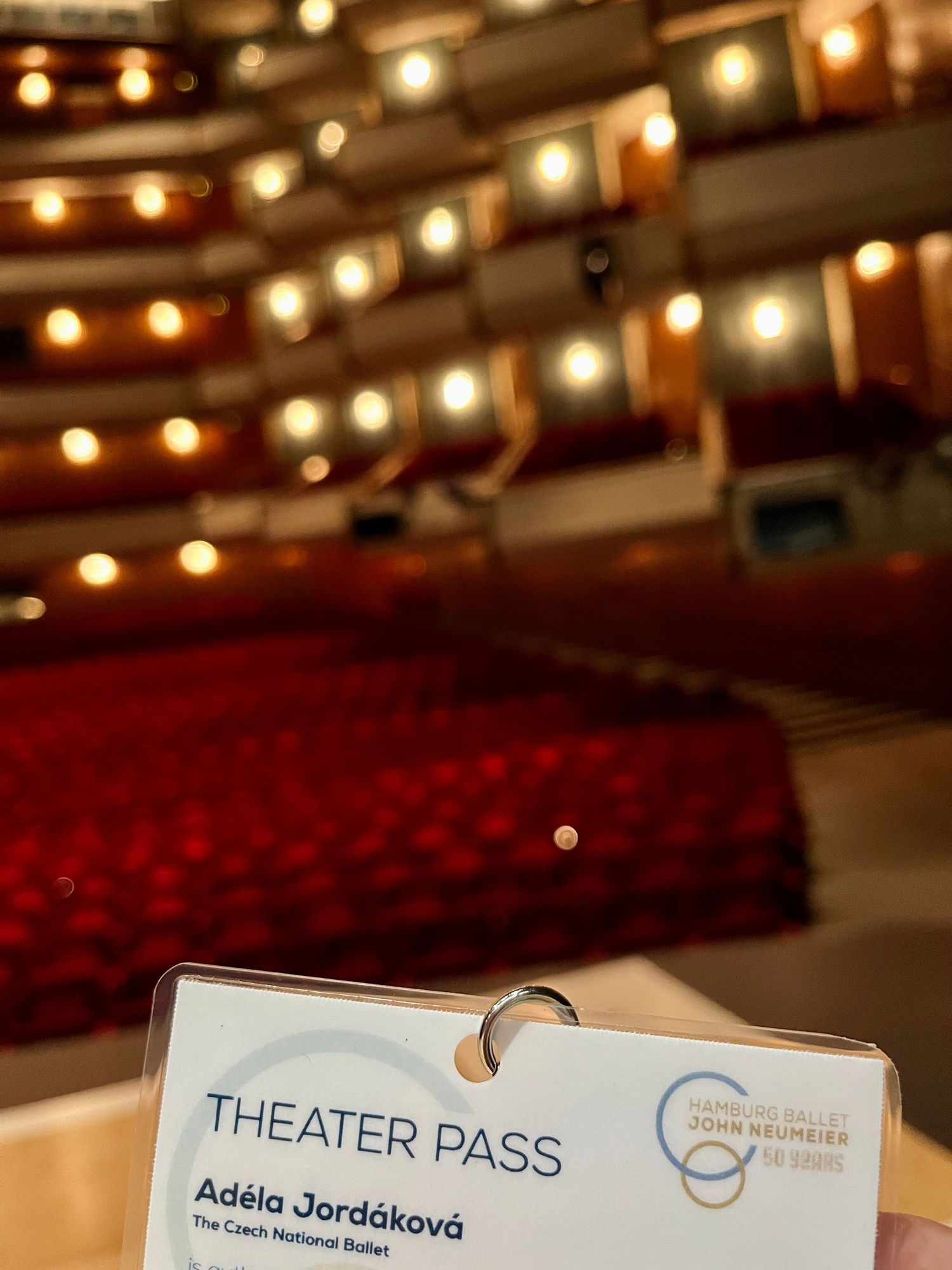
I started out as a regular physiotherapist, trained in general orthopedic and sports rehabilitation — but circus found its way into my life almost by accident, and it never really let go. What began as a personal practice slowly became something I couldn't separate from my clinical work: I found myself understanding my patients' bodies differently once I understood the demands of the apparatus myself, and understanding my own training differently once I looked at it through a physiotherapist's eyes. That dual perspective became the foundation of everything that followed. A position as Physiotherapist at the Czech National Ballet gave me my first real immersion into full-time performing arts care, followed by a number of courses focused on treating artists, with the first and most important one CIRCUS MEDICINE EDUCATION: WORKING WITH CIRCUS ARTISTS by dr. Emily Scherb (the Circus Doc).
More conferences and specialised courses followed (PAMA, IADMS, SHIFT Gymnastics and Movement Science) and internships at professional circus schools (CODARTS Rotterdam, ACAPA Tilburg). From there I went to train as a circus artist myself at SKH in Stockholm and to CREAT in Valencia, deepening my own practice on vertical rope — and eventually returned to SKH, this time not as a student but as Assistant Lecturer in Circus with a focus on Health, bringing both sides of my training back together in one role.
pictures
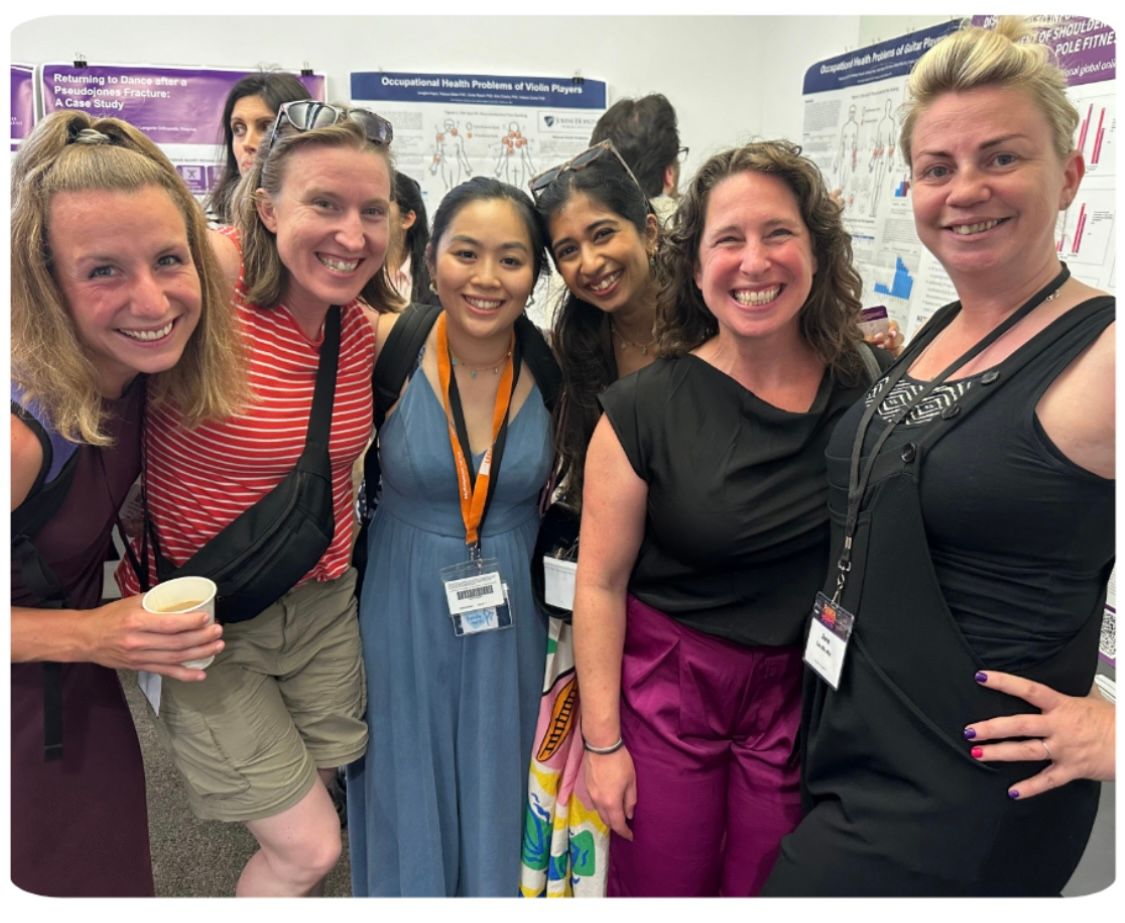
- PAMA (Performing Arts Medicine Association) Conference London 2024, circus clinicians section
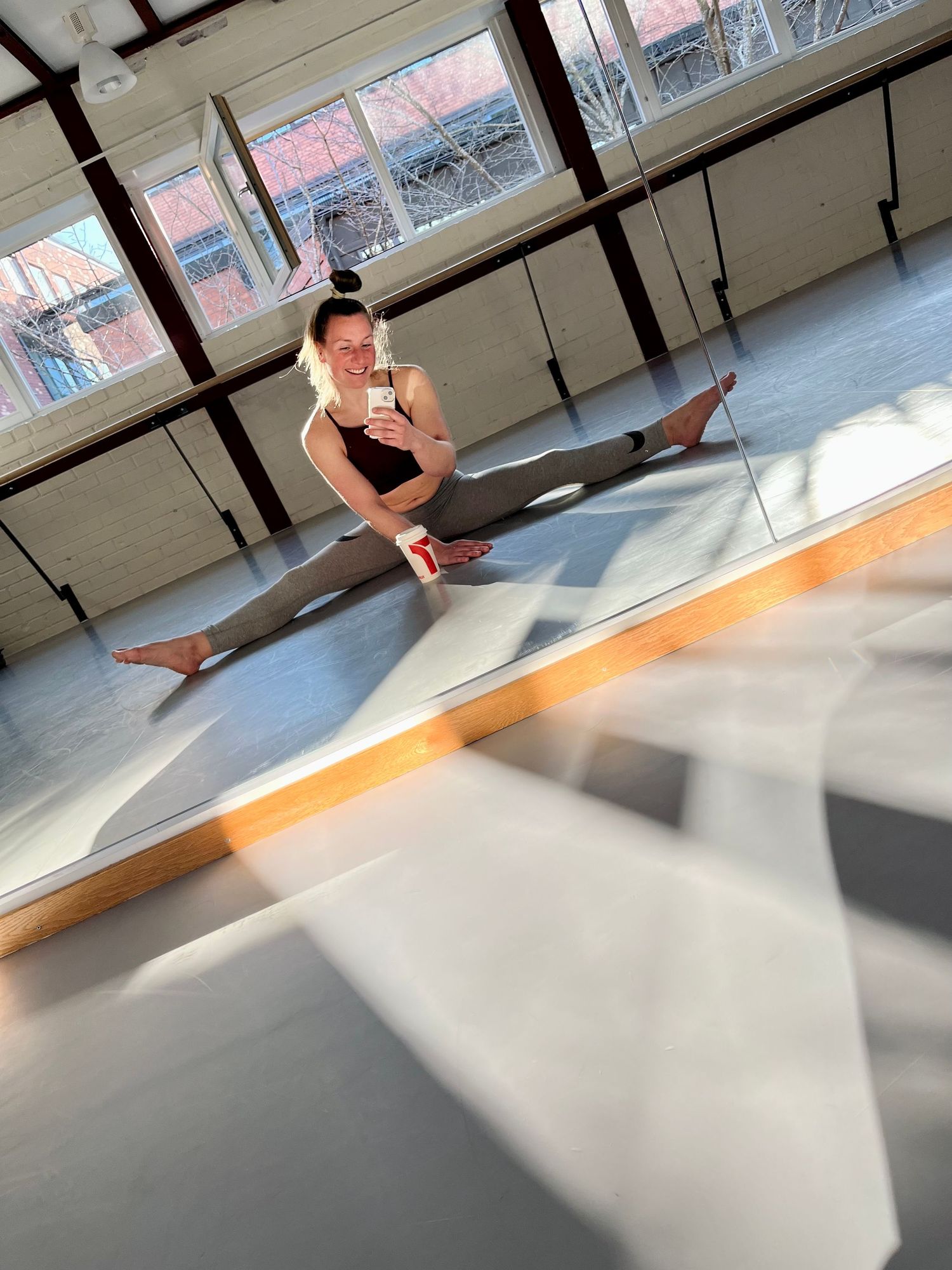
- Stockholm University of the Arts
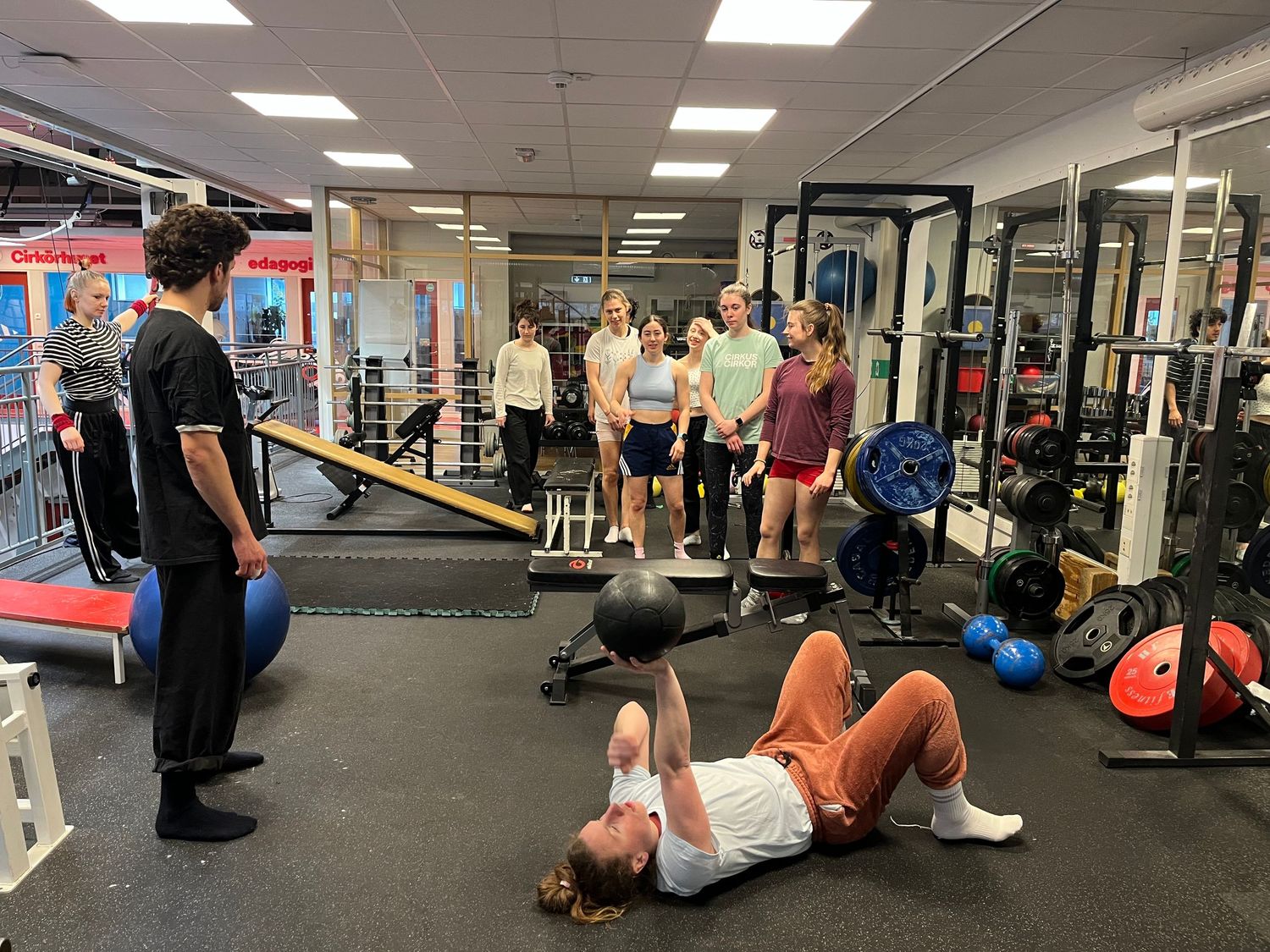
- Movement workshop held during Stockholm Rope Meeting 2026
The Czech National Ballet in Prague
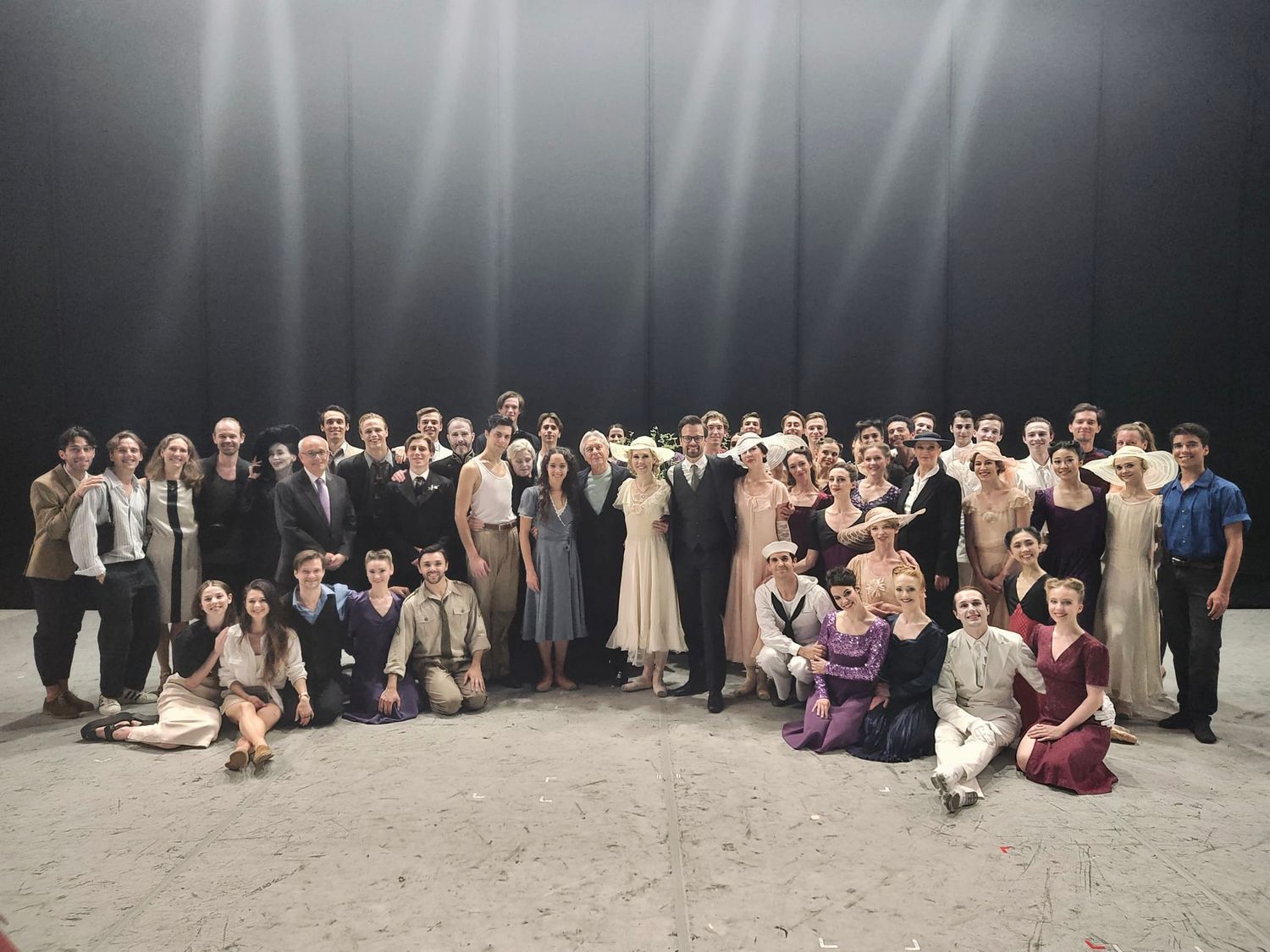
My work with the Czech National Ballet in Prague began in 2019, and my first tour came almost immediately: China that same fall, still the biggest production I've toured with to date. I walked in with zero background in ballet and left a genuine fan of the art form.
I became Head Physiotherapist for the company in 2021, a role I held through 2024, covering onsite acute and chronic injury management across the full performance cycle — daily class, rehearsal, opening nights, and international tours through Spain, Israel, Germany and Italy as well — plus cross and strength training, rehab and prehab, load management, and audition screening, working closely with the Artistic Director and the company's healthcare team.
Touring with a large-scale production taught me things no clinic ever could: how to manage an athlete's body across time zones, unfamiliar stages and a fixed performance calendar, with no room to simply wait for an ideal recovery window. It's the experience that shaped how I think about performance health today — and the one that turned me from an outsider to ballet into someone who genuinely loves it.
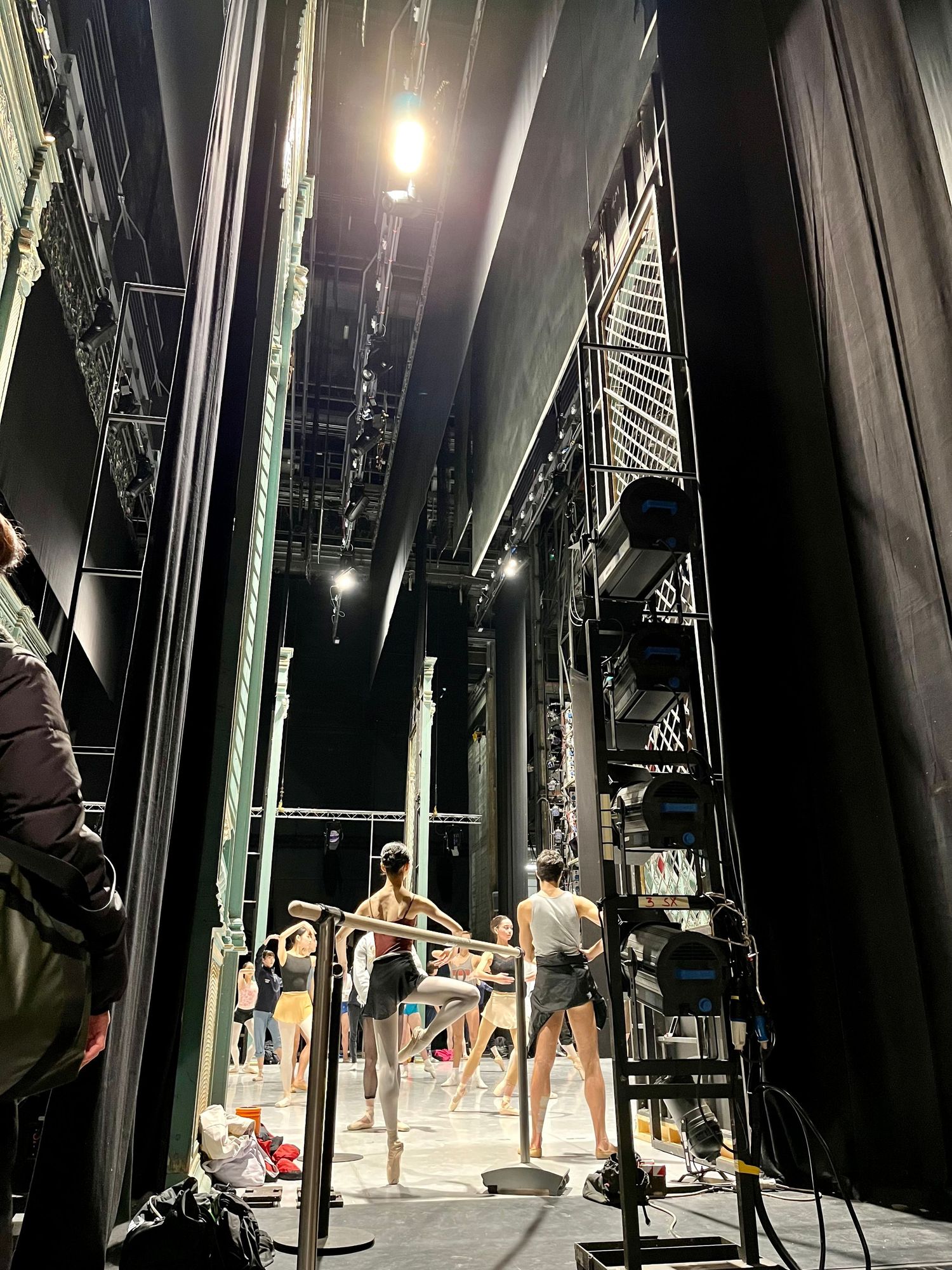
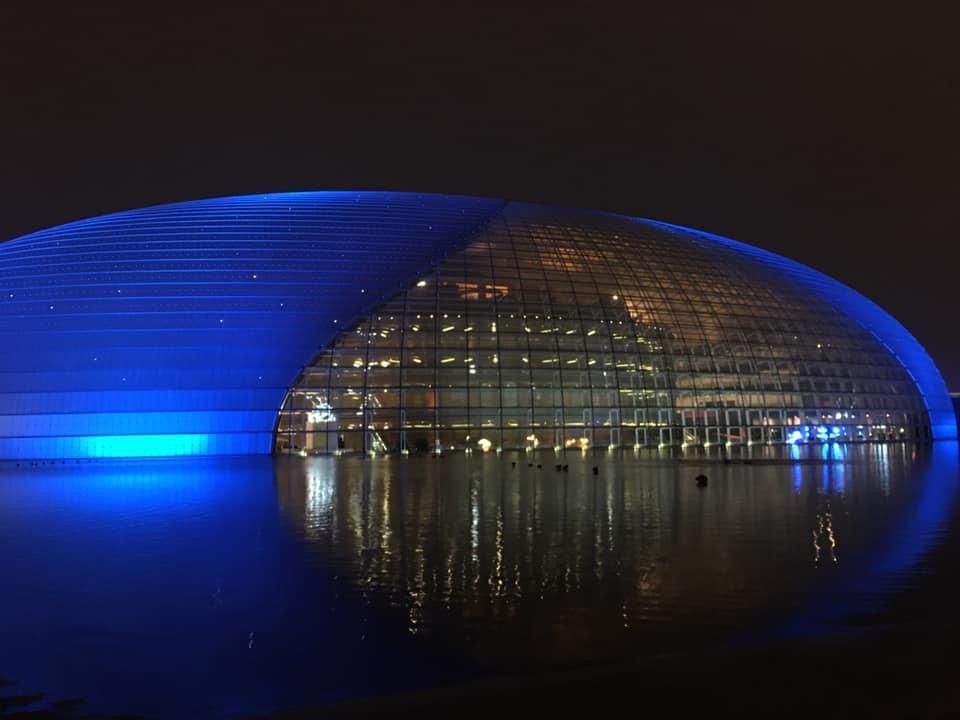
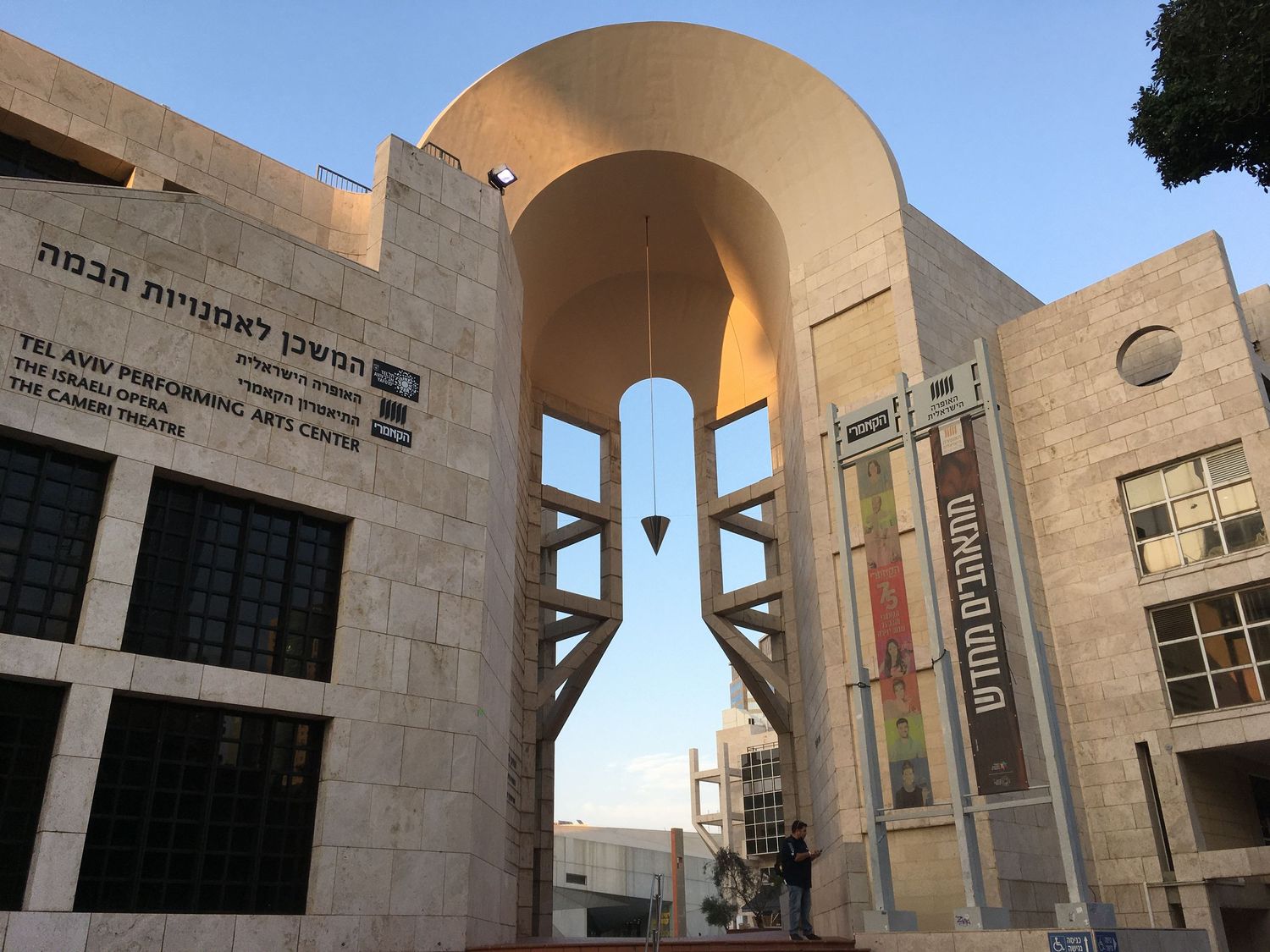
pictures
- on tour with Czech National Ballet- Teatro Regio Torino, Italy (Sleeping Beauty by Márcia Haydée)
- on tour with the CNB- National Center for the Performing Arts, Beijing, China (La Bayadére by Javier Torres)
- on tour with the CNB- Tel Aviv performing Arts Centre, Israel (Bridges of Time by Jiří Kylián)
- on tour- Shenzhen
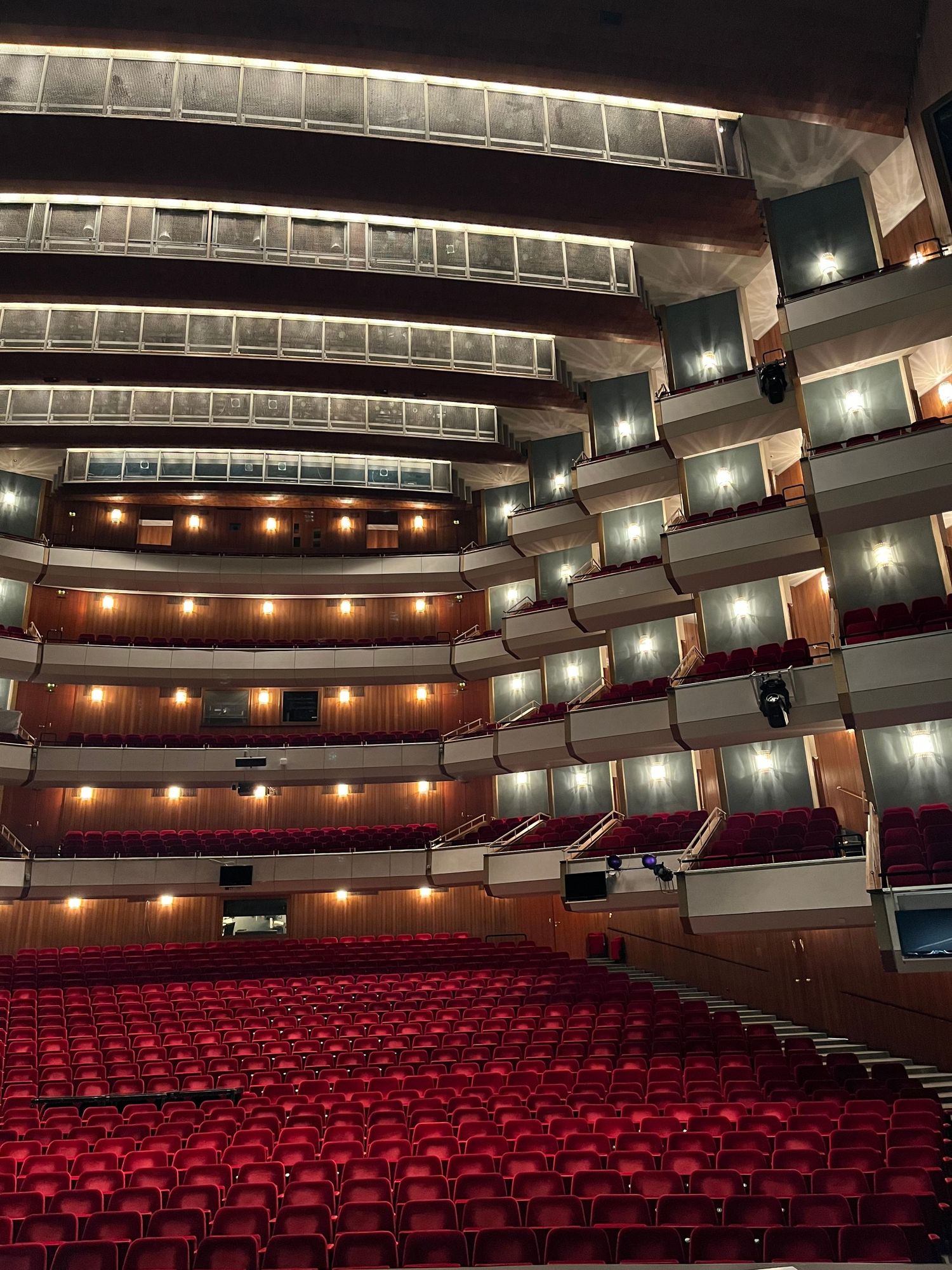
- on tour with the CNB- Hamburgische Staatsoper, Germany (A Streetcar Named Desire by John Neumeier)
- on tour- Hamburgische Staatsoper, Hamburg
Both on Stage and in Backstage
I don't just study performance — I live inside it. As an active aerial rope artist, I trained through the full Artistic Development within the Circus Discipline pathway at SKH (100 ECTS credits, 2022–2025) under Benjamin Richter and Lena Stefenson, plus the Handstands Specialization courses, CREAT in Spain with specialization in vertical rope, and over 100 hours of professional rope teacher training with Alex Allan and PJ Perry.
Over the years I realized that I like the rush to be on stage and I cherish these moments, but what I love even more is the grind and the process, showing up for the practice and gradually gain the understanding of the human body in circus arts, applied biomechanics, different body physiques and how to adjust the moves just right for different bodies and levels. And how to support all of that with physiotherapy knowledge, implement cross-training, support the training process with focus on longevity and sustainability.
This is why my clinical work doesn't feel separate from my artistic one. I know what it's like backstage before a show, mid-rehearsal on a bad shoulder day, or three weeks into a tour with no time to rest properly — because I've been there myself, on both sides.